Creative Discipline Through the Lens of Martial Arts
A careful comparison of practice, movement and attention, using Jet Li’s public career as a starting point rather than a source of invented wisdom.
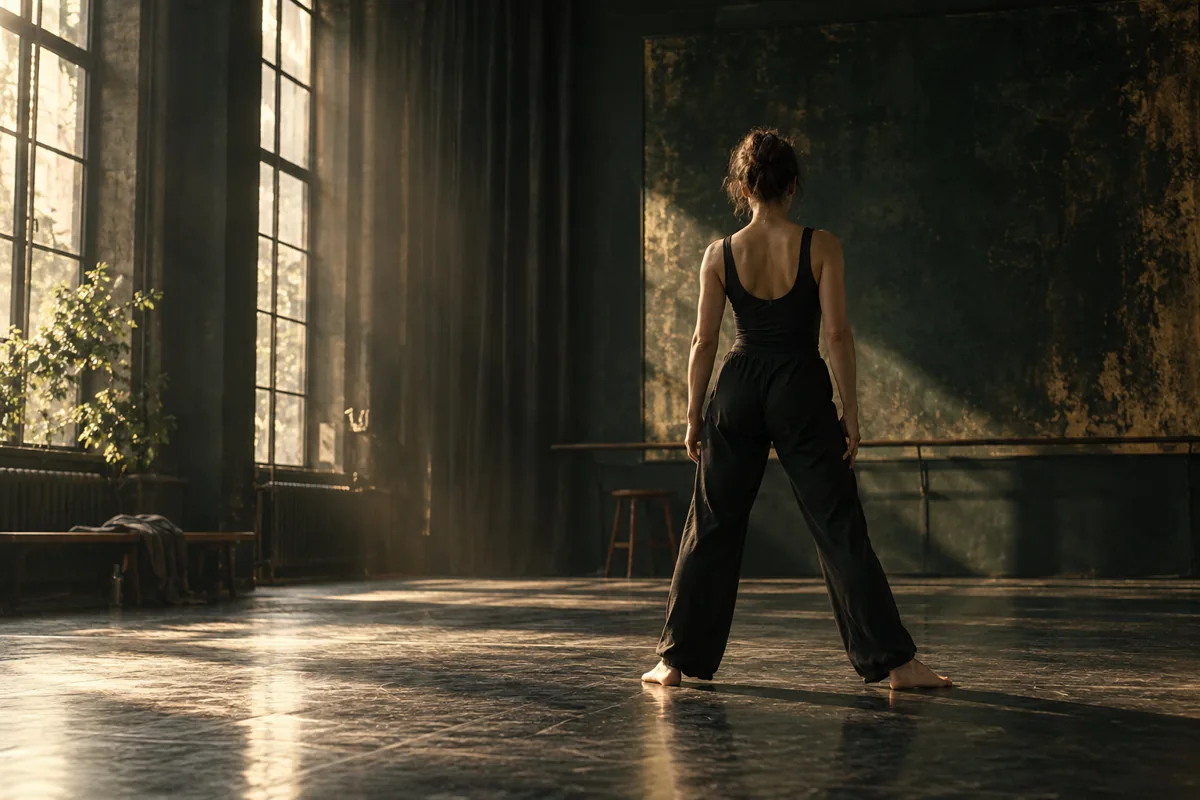
Martial arts and creative work both make repetition visible, but they are not the same activity. A useful comparison concerns how a person returns to a task, notices a difference and adjusts the next attempt. It should not flatten varied martial traditions into a single philosophy or pretend that an actor’s public image provides a complete account of their beliefs. This article offers an editorial analogy, with its limits kept in view.
Begin with a documented connection
Jet Li’s own biographical website describes a career connecting competitive wushu, film and humanitarian work. That public movement between disciplines makes him a relevant starting point for thinking about trained physical performance. It does not justify attributing a convenient motivational sentence to him. We have not reproduced circulating quotation-list material as authenticated speech.
A screen performance also reaches viewers through choreography, camera placement, editing and the work of many collaborators. What appears effortless may be a carefully arranged sequence. For a creative reader, that is a useful reminder to distinguish an effect from the conditions that produced it. We see the finished encounter, not every attempt that preceded it.
Repetition needs something to notice
Repeating an action without attention may simply repeat its existing weaknesses. An artist can make practice more informative by choosing a small variable. A writer might work on the opening of a scene; a musician on a difficult interval; a performer on the timing of a turn. The point is to create a comparison that can be perceived.
In a writing exercise, try three openings for the same scene. Begin one with an action, one with a sound and one with a line of dialogue. Keep the underlying event unchanged. Afterwards, describe what each version makes the reader expect. This is an original creative exercise, not a martial arts training prescription or a method attributed to Jet Li.
Form can make a choice visible
A repeated form gives attention a stable frame. If a performer changes every aspect of a sequence at once, it can be hard to tell which change mattered. Keeping some elements steady allows a smaller difference to become legible. The same principle can help during revision: preserve the paragraph’s subject while testing a different order.
Stability should not become rigidity. A form is useful while it helps you perceive and make decisions. If it prevents you from responding to the work, reconsider it. The practical question is not whether a routine looks disciplined from the outside, but whether it gives you information you can use in the next attempt.
The body is part of creative attention
Writing and reading are physical activities as well as intellectual ones. Posture, breath, fatigue and the conditions of a room can affect the experience of working. A person concentrating on a sentence may notice that they have been holding their breath or sitting uncomfortably. That observation does not require a grand theory of creativity; it asks for ordinary attention to the task’s conditions.
For performance, physical practice needs suitable instruction and appropriate boundaries. Watching a film is not a safe guide to attempting its movements. The analogy in this article stays with creative habits and observation. It does not offer combat instruction, fitness advice or a substitute for a qualified teacher.
Feedback can be precise without becoming harsh
A useful note identifies something that can be worked on. “I lost track of who was speaking in the second paragraph” offers a clearer point of revision than “this is weak.” The first describes an encounter between a reader and a passage. It invites a test: can the writer clarify the exchange while preserving what matters about it?
The same specificity helps when reviewing your own work. Record what happened before deciding what it says about your ability. A missed practice session is a missed session, not a complete identity. A difficult passage is a problem in a passage. Keeping the scale accurate makes it easier to return to the work without turning each attempt into a verdict.
An original twenty-minute practice
Begin with five minutes of close attention to a short piece you admire. Notice one method: a change of pace, an image placed late in a sentence or a repeated gesture. Spend the next ten minutes making a small piece of your own that tests that method with different material. Use the final five minutes to describe what you learned.
Do not judge the session only by whether it produced something publishable. A useful result might be that the borrowed method did not fit your subject. Keep a brief note so the attempt can inform a later decision. The exercise is a suggested creative routine, not a validated performance programme or a historical account of anyone else’s practice.
Discipline also includes stopping
A routine that ignores available time and energy may become difficult to sustain. Choose a scale that fits your circumstances and revisit it when those circumstances change. Rest does not need to be justified by a promise of greater productivity. It is part of having a life in which creative work has a place.
Nor does disciplined practice guarantee a professional outcome. Access, opportunity, resources and collaboration affect artistic careers. A clear routine can support a person’s work without explaining every difference between their experience and someone else’s. Comparisons become more useful when they do not pretend that effort is the only condition that matters.
Return to the next observable action
The strongest lesson of this comparison is modest: make the next attempt specific enough that you can learn from it. Choose a passage, a duration or a question. Work within that boundary. Notice a difference. Decide what to repeat and what to change. No borrowed quotation is required to make that process worthwhile.
Jet Li’s public career provides a concrete connection between trained movement and screen expression. Our creative analogy begins there and remains an analogy. What an artist can take into a studio or notebook is an attentive pattern of return: a practice shaped by observation, feedback and the freedom to revise its form.
Continue with our listening guide to music and theatrical storytelling.